
Exploring Shotover River filming locations
Shotover River filming locations are a reason to look closely at the canyon landscape rather than simply travel through it. The steep rock walls and winding road give a film-focused outing a different emphasis from a boat ride. Two organised excursions combine that interest with guiding or audio stories, photography stops and historical context.
The useful comparison is between a live-guided 4WD route and a Skippers Canyon audio outing. Both place the landscape within a wider programme, while their included activities differ. Start with the kind of commentary you want, then compare departure arrangements. The wider Skippers Canyon guide introduces land-based excursions for visitors whose main interest is gold-rush history.
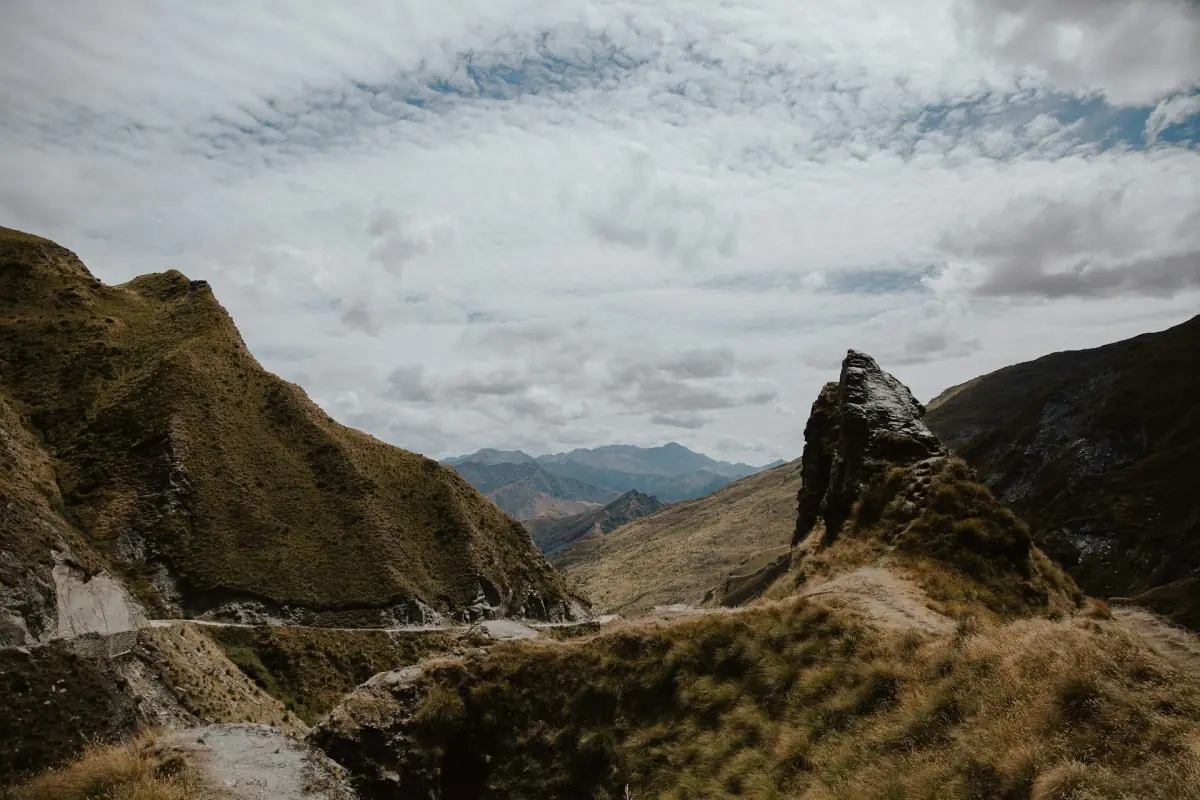
Our picks: filming locations
Choose multilingual stories and photo stops or a 4WD outing with English commentary and gold panning. Both connect the canyon landscape with a guided trip.
Hand-picked tours, booked through GetYourGuide. Prices are indicative starting prices in US dollars (as of October 2026). Tap a tour for live availability and the current price in your currency.
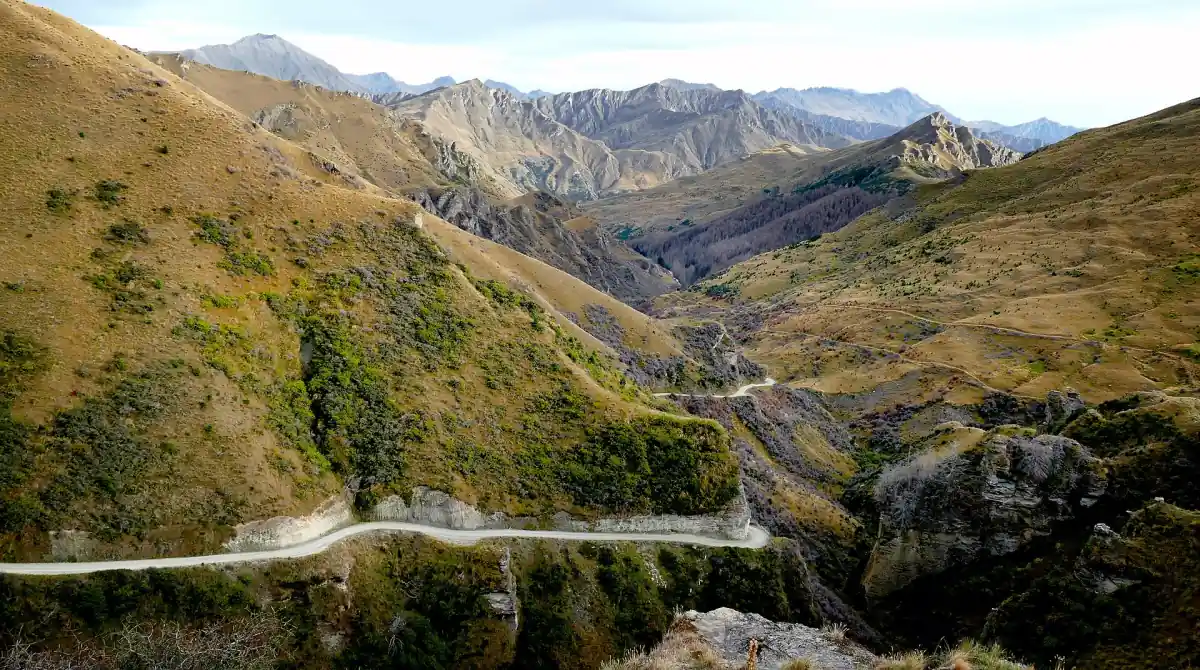
Skippers Road and film landscapes
- Experienced local driver/guide
- Gold panning experience
- Refreshments included
The six-seat 4WD outing includes English commentary and gold panning at the Arrow River.
Check availability →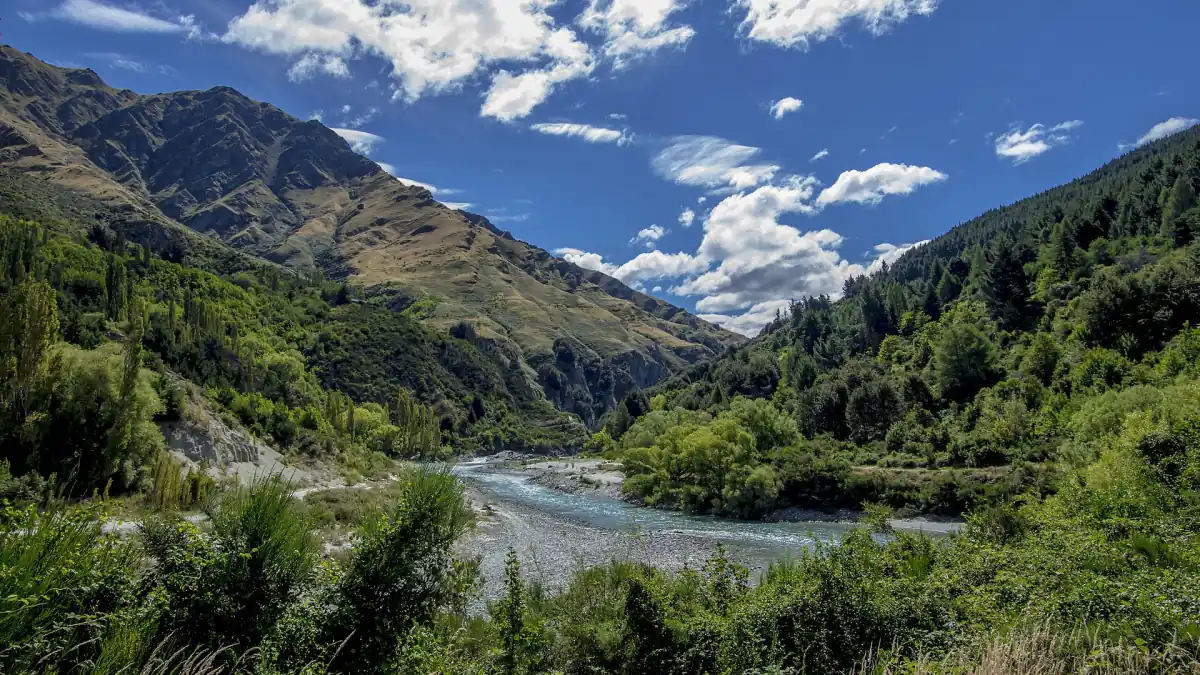
Skippers history and filming locations
- Stories in English and German
- Photo stops along the road
- Complimentary drink
Explore historical points and filming locations in a small group of up to 11.
Check availability →Film landscapes and canyon stories
Choose a live-guided four-hour 4WD route or a small-group Skippers outing with multilingual audio and photo stops.
Guided 4WD route or multilingual audio stories
The four-hour film-themed 4WD excursion starts at 37 Shotover Street in Queenstown. It includes transport in a six-seat 4WD, an experienced local driver-guide and English commentary. The programme describes Skippers Canyon Road as far as Lighthouse Rock alongside a wider regional route. That is the basis for its Shotover connection; it should not be read as a promise to visit every filming landscape in the Queenstown region.
This outing also includes a gold-panning experience and tea, coffee, hot chocolate, banana cake and biscuits. The gold panning takes place at the Arrow River. That location matters when comparing the tour with an excursion centred on gold washing at the Shotover itself. If your priority is recreational gold searching, read the gold-panning and history page rather than treating all film tours as the same activity.
The Skippers audio outing offers stories in English, Spanish, German, French, Italian, Chinese, Japanese and Korean. It includes historical points of interest on Skippers Road, filming-location content and photo stops. The group is limited to 11 people, and dedicated listening stations offer children’s stories or music. A barista coffee or beer or wine is included.
What the film connection adds
The audio programme includes references to The Lord of the Rings, Mission: Impossible and A Remarkable Place to Die. These titles describe the scope of its film and television commentary. They are not a scene-by-scene map for an independent visit, and this guide adds no extra shooting spots or quotations to that programme.
The live-guided option suits someone who wants English explanation throughout a varied 4WD outing. The multilingual version suits travellers who prefer listening to the canyon stories in another available language. Its included photo stops provide opportunities to look at the landscape while the historical material gives the road more meaning than a sequence of views.
Landscape and gold-rush context
The Shotover, also known as Kimiākau, flows from the Richardson Mountains through deeply incised valleys before joining the Kawarau. Around Skippers, rock slopes and the river corridor are part of the attraction in their own right. A film theme can be the starting point, while the valley’s physical shape explains why photography and road travel remain central to both outings.
Gold discoveries in 1862 brought settlement and mining to the valley. Skippers developed shops, a post office, a hall and a school; work extended from river sediments to terraces and quartz reefs. This historical background is relevant to the audio tour’s gold-rush stories and makes the place more than a collection of cinema associations. The history guide develops that subject separately.
Organising the journey
The canyon approach uses a narrow, winding gravel road with steep drop-offs. Organised transport lets the driver manage the road while the excursion programme structures the sightseeing. Read the road guide for access considerations, and confirm the current route and possible stopping points for your departure. A sold excursion does not establish a bridge crossing or access to historic buildings. On 22 January 2026, QLDC announced that Skippers Bridge was closed to vehicles, bicycles and pedestrians. No reopening date was given. Check the current status with QLDC before visiting.
The audio outing uses central Queenstown pickup points and describes 3.5 to 4 hours within its inclusions; allow the time assigned to your booked departure. Keep that product’s collection arrangements separate from the 37 Shotover Street start of the live-guided 4WD trip. The arrival guide explains how activity check-ins fit into a Queenstown stay.
For individual photography tuition rather than film commentary, compare the private photography outings. They offer a different reason for a guided day in the same landscape. Choose the programme that matches your main interest instead of adding activities that belong to another product.
Frequently asked questions
Where does the film-themed 4WD tour include gold panning?
At the Arrow River. Gold panning is included in that four-hour live-guided tour, while the Skippers audio package focuses on stories, photo stops and an included drink.
Can I listen to the audio stories in German?
Yes. German is among the eight listed story languages, together with English, Spanish, French, Italian, Chinese, Japanese and Korean. The separate live-guided 4WD outing lists English commentary.
Are these two different film experiences?
The comparison is between a live-guided 4WD itinerary and a small-group audio outing. Their commentary format, meeting arrangements and included activities differ; the film theme sits within each broader excursion.